



UK Modular Construction & Sustainable Architecture in London
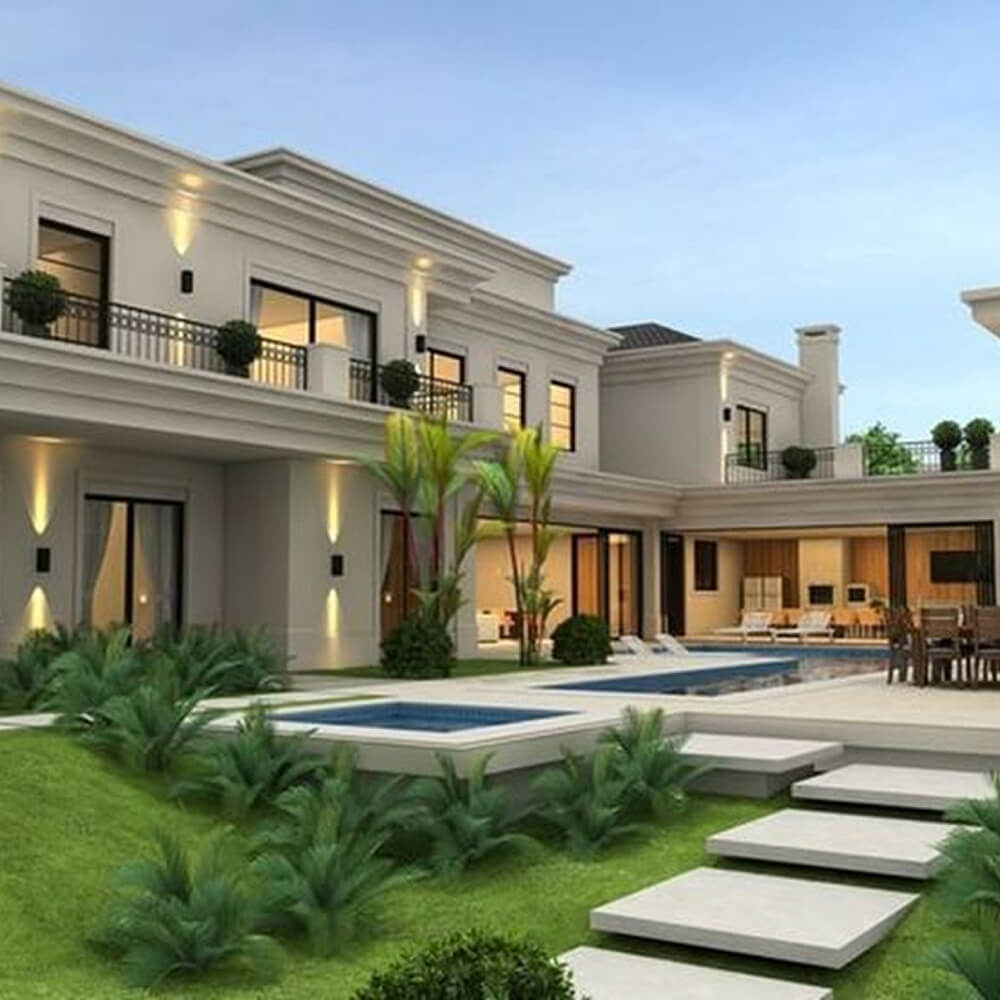
At JM Design Studio, we are leading the way in sustainable architecture in London through innovative UK modular construction techniques. Our expert team combines environmentally conscious design with modern construction technologies to deliver exceptional results for residential, commercial, and mixed-use projects across London and the UK.
What is Modular Construction?
Modular construction involves the off-site fabrication of building components in a controlled factory environment, which are then transported and assembled on-site. This approach significantly reduces construction time, waste, and environmental disruption — making it a key pillar of sustainable building in the UK.
Why Choose Modular Construction in the UK?
Opting for UK modular construction offers numerous benefits:
Faster Build Times – Up to 50% faster than traditional methods.
Reduced Waste – Controlled production reduces material wastage.
Lower Carbon Footprint – Fewer deliveries and on-site work mean reduced emissions.
High Quality Control – Factory standards ensure precision and consistency.
Cost Efficiency – Lower labor and logistics costs.
At JM Design Studio, we tailor modular solutions to fit each client’s unique requirements, whether you’re developing in Central London, the Greater London area, or other major UK cities
Benefits of Combining Modular and Sustainable Architecture
Reduced Construction Time
Prefabrication off-site allows for faster build times, reducing overall project durations and enabling quicker occupancy.
Cost Efficiency
Modular construction is a cost-effective solution because it lowers labour costs, reduces material waste, and results in quicker assembly, which results in significant savings.
Minimised Environmental Impact
The efficient use of materials and reduced on-site waste help lessen the project's environmental footprint.
Waste Reduction
Off-site manufacturing ensures precision and reduces excess material waste, contributing to a more sustainable building process.
Energy Efficiency
Both modular and sustainable construction methods prioritise energy-efficient designs, which can lead to long-term savings on utility bills and a smaller carbon footprint.
Use of Eco-friendly Materials
Sustainable construction practices incorporate recycled steel, reclaimed wood, and low-impact insulation to reduce resource depletion and environmental harm.
Flexibility in Design
UK modular construction can be adapted to meet various design needs, offering energy-efficient, customisable spaces that align with sustainability goals.
Long-Term Durability
Buildings made with sustainable materials and energy-efficient systems tend to have longer lifespans and lower maintenance costs.
Optimised Resource Use
Our process ensures that all resources, from labour to materials, are used efficiently, further promoting sustainability.


How Modular Construction Contributes to Sustainability?
Modular construction is vital in advancing sustainable building practices. It provides a more efficient, eco-friendly alternative to traditional construction methods. The off-site manufacturing of building modules in controlled factory environments minimises waste and optimises resource use. The modular approach also supports energy efficiency.
Many buildings are designed with high-performance insulation, airtight seals, and advanced energy-efficient systems, such as LED lighting and smart thermostats, contributing to lower energy consumption over time. This focus on energy efficiency reduces the need for heating and cooling, helping to reduce carbon emissions and overall energy usage, which is crucial for a more sustainable built environment.
At JM Design Studio, we embrace these sustainable practices in all our UK modular construction projects. We help our clients build eco-friendly, functional, and forward-thinking spaces.
How Is Our Sustainable Architecture Shaping London's Future?
Here’s how we integrate sustainability into every project:

Lower Carbon Emissions
We create energy-efficient buildings by incorporating green technologies, sustainable materials, and passive design strategies to reduce carbon footprints and minimise energy consumption.
Green Building Certifications
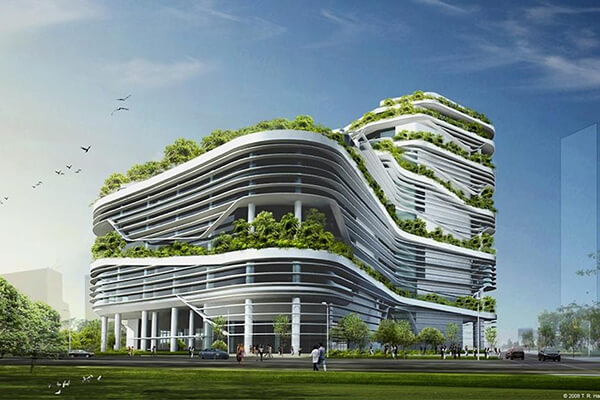
Our team ensures that each project is designed to meet leading certifications like BREEAM and LEED. These recognised standards promote eco-friendly design, and we help clients achieve green building certification.
Urban Regeneration
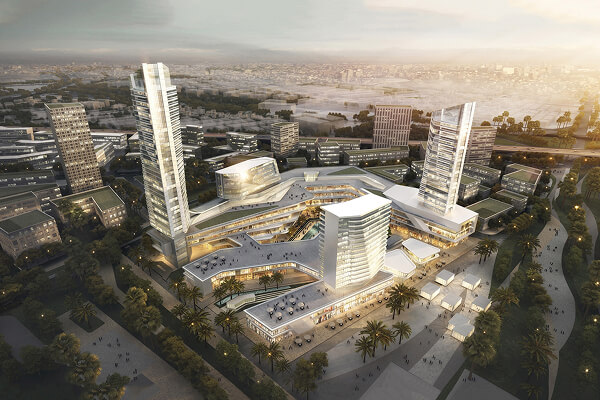
We revitalise existing structures with sustainable upgrades, preserving resources and enhancing the environment while maintaining historical integrity.

Integration of Nature
JM Design Studio understands the importance of green spaces and biodiversity, and we integrate plant life, urban gardens, and green roofs into our designs to improve public health and enhance well-being.

Resilience to Climate Change
In response to the growing challenges of climate change, our sustainable architecture in London incorporates features that make buildings more resilient to environmental shifts such as flooding, heat waves, and rising temperatures.
Integrating Energy-Efficient Systems in Modular Builds
As a top architectural firm, we recognise the role of technology in enhancing modular and sustainable construction. Modern technology can speed up the building process, increase efficiency, and decrease environmental effects. We use advanced design and project management software to create precise, customised modular structures.
Our team leverages Building Information Modelling (BIM) to ensure accurate planning and coordination. It allows for greater efficiency in construction and improved project outcomes. From solar panels to intelligent HVAC systems, we ensure that every building is designed with energy performance in mind.
Furthermore, technology inherently supports our UK modular construction. Prefabrication techniques, automated manufacturing, and robotics contribute to faster, more sustainable builds. We embrace these technologies to deliver high-quality, sustainable structures in a fraction of the time, ensuring that our clients receive environmentally responsible, innovative, and cost-effective solutions.
Our Expertise in Modular and Sustainable Construction in the UK

- Custom Designs: We work closely with clients to design modular buildings that meet specific needs, from single-family homes to significant commercial developments.
- Flexible & Adaptable: Our modular designs allow for easy customisation and future growth, whether expanding your existing space or building a new one.
- Speedy Delivery: Prefabricated components are built off-site, reducing construction time and avoiding delays due to weather or site conditions.
- Eco-friendly Materials: Using sustainable materials like recycled steel, timber, and low-VOC finishes ensures that your building meets sustainability goals and provides a healthier environment.
- Innovative Design: Our sustainable architecture in London combines creativity with functionality. We use modular construction methods to deliver aesthetically pleasing and performance-driven designs.
- Long-term Value: We focus on future-proofing your building by designing with durability, ensuring that your space remains functional, sustainable, and efficient for years to come.
Build a Greener Future with Our Sustainable Architecture!
Let’s Build the Future Sustainably
Whether you’re a developer, business owner, or homeowner, JM Design Studio is your trusted partner for sustainable architecture in London and expert UK modular construction services. We work across North, South, East, and West London, including boroughs like Camden, Hackney, Westminster, Hammersmith, and more.
Frequently Asked Questions
Q: What types of buildings can modular construction be used for?
A: Modular construction is suitable for homes, schools, offices, hospitals, and more.
Q: How does sustainable architecture save money long-term?
A: By reducing energy bills, maintenance costs, and improving building longevity.
Q: Do you offer modular solutions outside of London?
A: Yes, we serve clients across the UK, including Manchester, Birmingham, and Bristol.